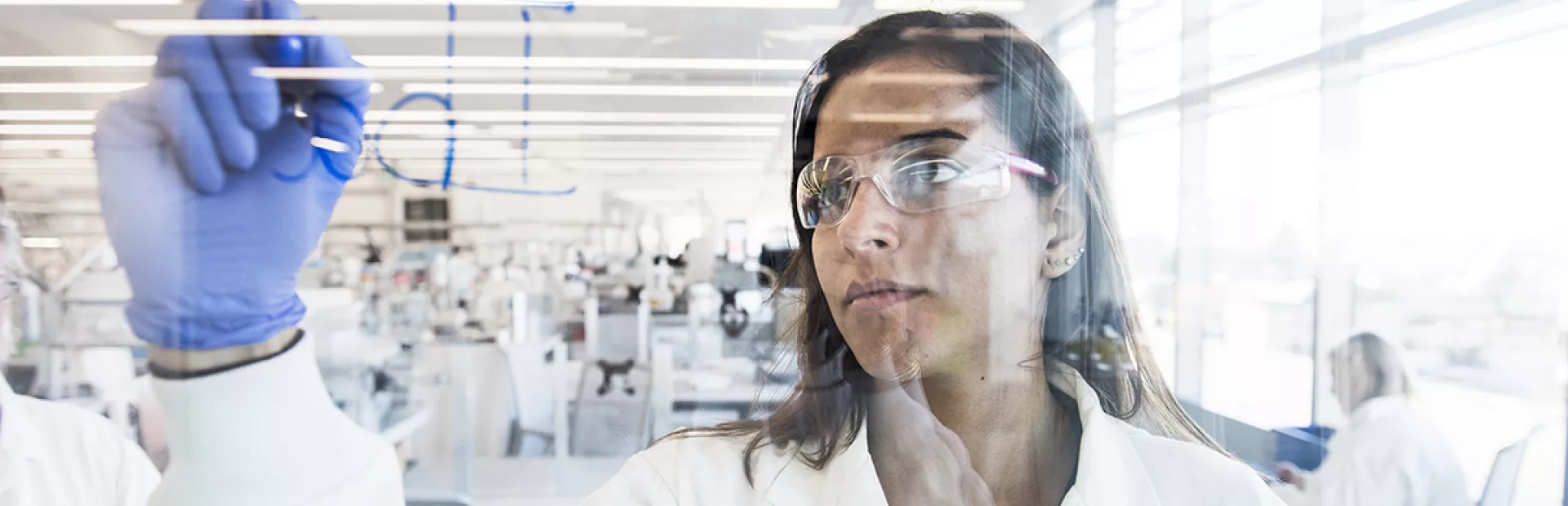

Novartis in the UK
We invite you to learn more about Novartis and our impact on patients, families and their communities.

Patient Group Partnership
At Novartis, we’re united by a shared purpose of putting patients at the heart of everything we do and being a bold partner for progress to the patient community.

About Novartis
We discover and develop breakthrough treatments and find new ways to deliver them to as many people as possible.
Patients and Caregivers
Novartis works with the patient community around the world to discover new ways to improve and extend people’s lives.

Healthcare Professionals
Novartis works closely with healthcare professionals around the work to support their treatment of patients and collaborate on unmet needs.